Photography Guide
Capturing Japan
Through Every Season
Japan offers photographers an extraordinary canvas — ancient temples, dramatic landscapes, and seasonal phenomena that transform the same location four times a year.
Featured Images
Japan's Most Photogenic Moments
Top Locations
Best Photography Spots in Japan
These locations consistently reward patient photographers with images that capture the soul of seasonal Japan.
Philosopher's Path at Dawn
Arrive 30 minutes before sunrise for mist rising off the canal with cherry blossoms. In November, the same path becomes a tunnel of red maple.
Chureito Pagoda & Fuji
The iconic shot of a five-storey pagoda framed by cherry blossoms with Mt Fuji behind. April 7–15 is typically peak timing. Reach by 5:30am.
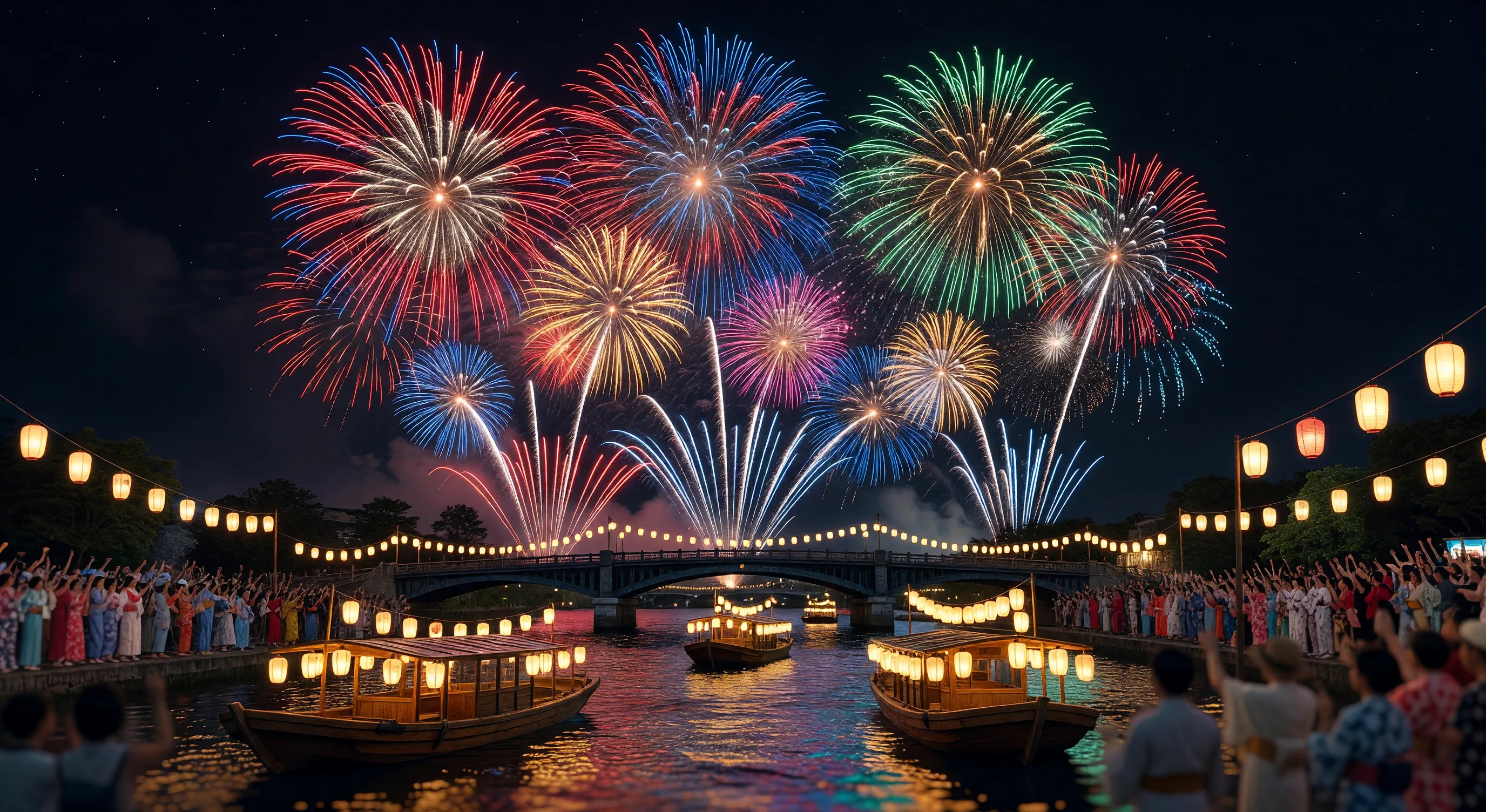
Sumida River Fireworks
Japan's oldest fireworks festival — shoot from the Asakusa riverside or elevated rooftops. Use a tripod and a shutter speed of 2–4 seconds.
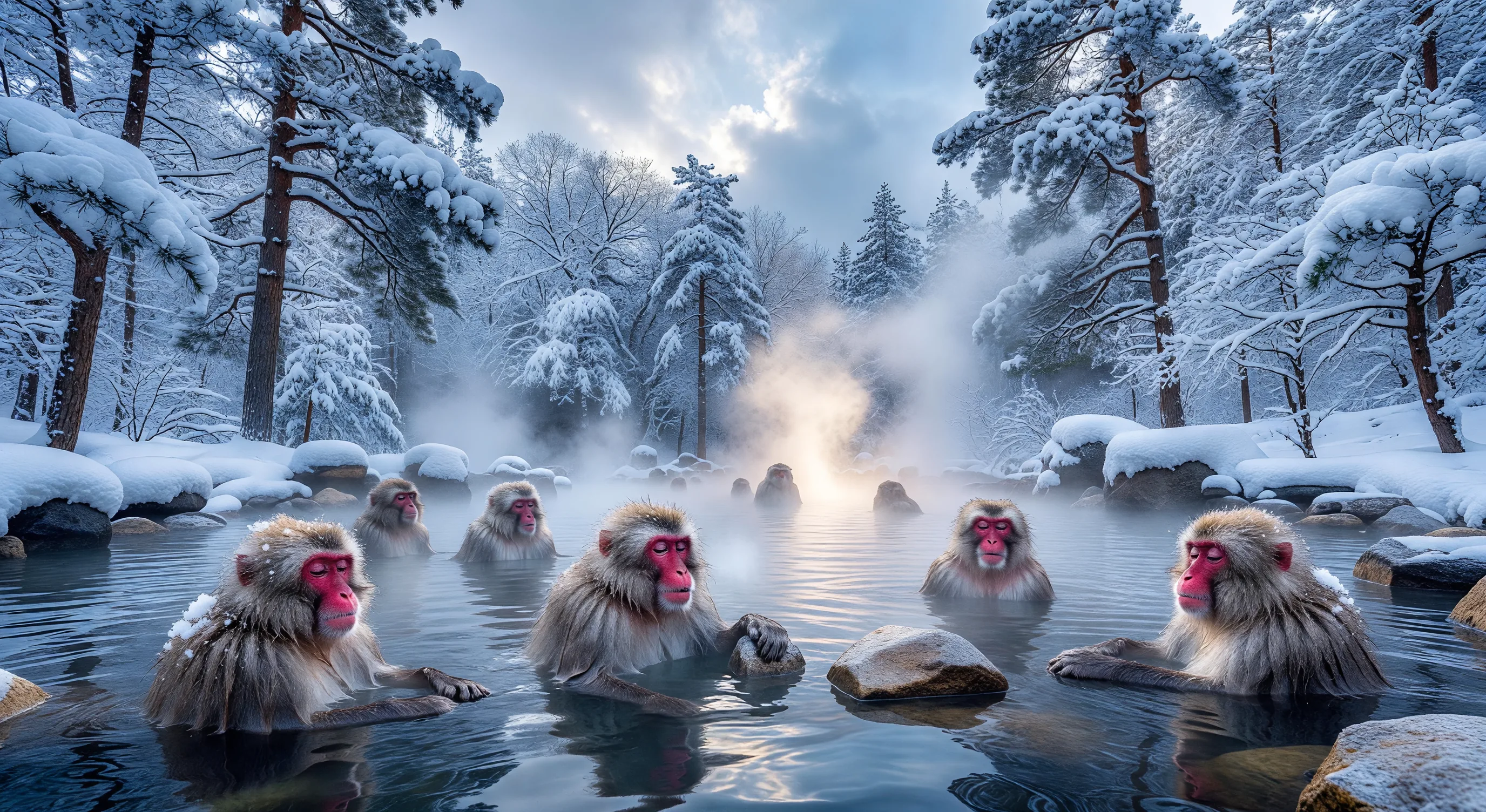
Jigokudani Snow Monkeys
Morning visits (8–10am) see fewer crowds. Use a telephoto lens (200–400mm) and fast shutter speed to capture steam and monkey expressions.
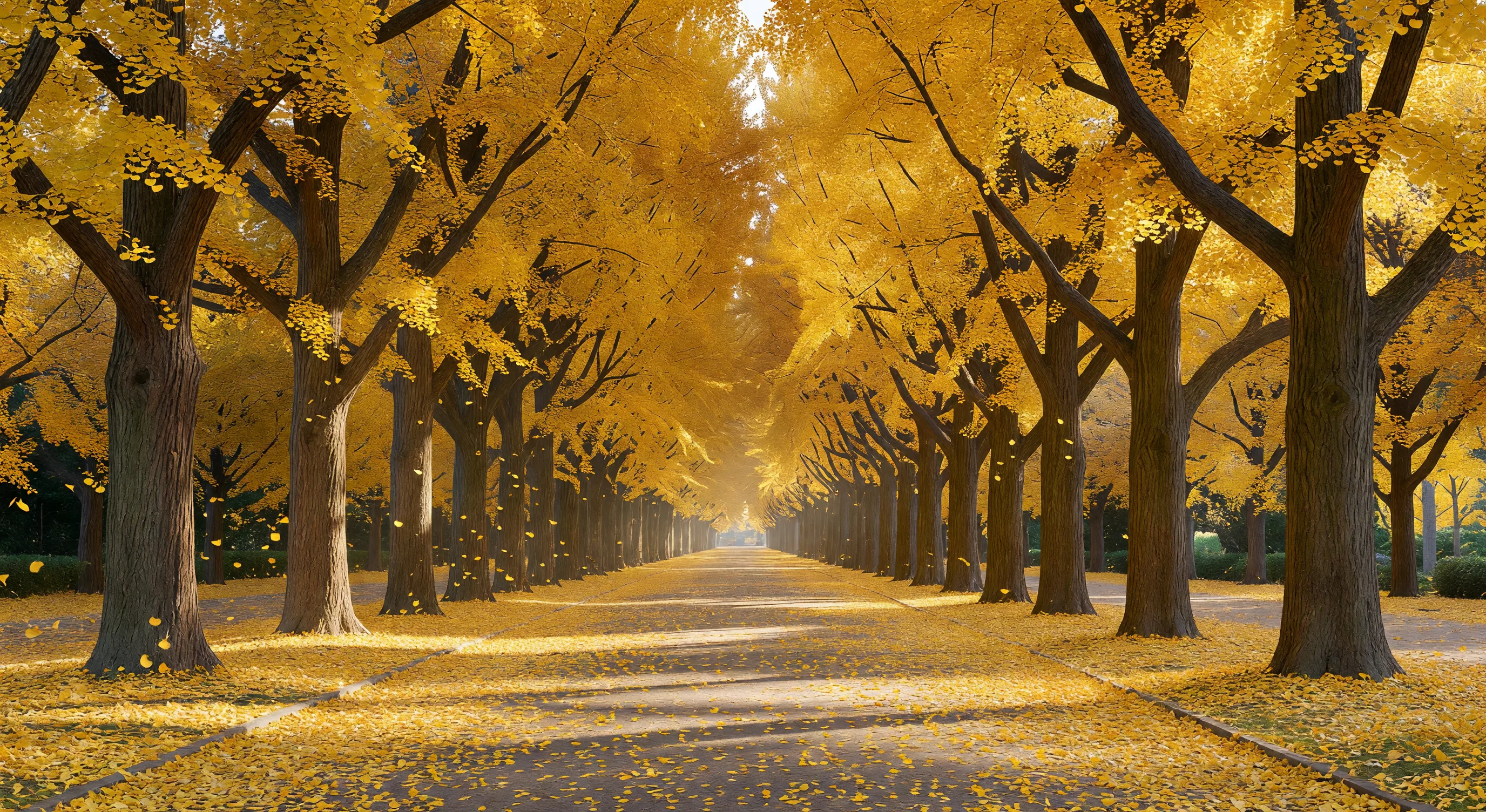
Ginkgo Avenue, Meiji Jingu
The outer garden's ginkgo promenade turns pure gold in November. Late afternoon light at 3–4pm gives the most luminous results.
Shirakawa-go at Night
During winter illumination events, gassho farmhouses glow against deep snow. Very limited tickets — apply months in advance via the village website.
Techniques
Photography Tips for Japan
Shooting Sakura — Light, Angle & Timing
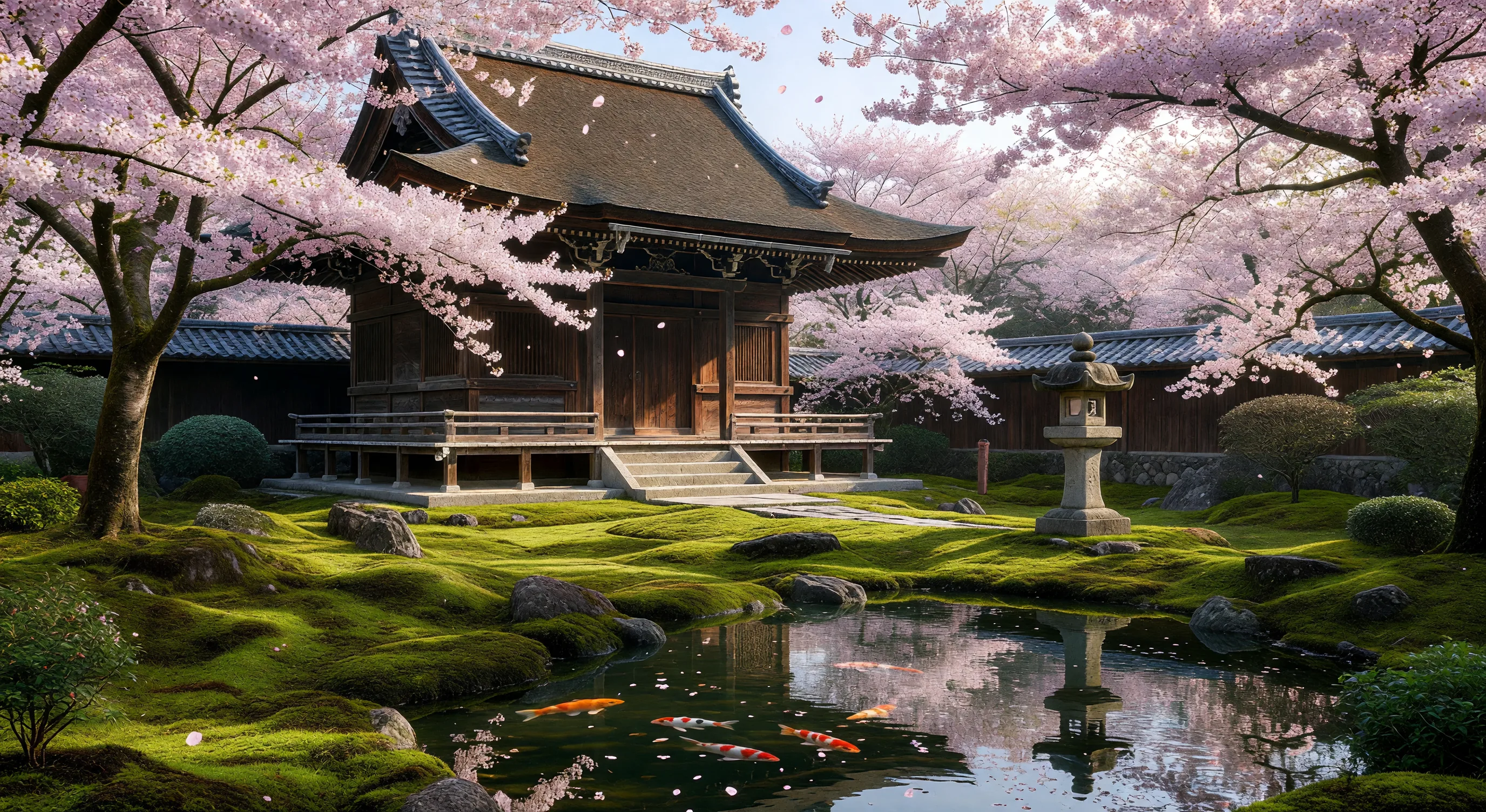
Cherry blossoms are translucent — shoot with the sun behind the flowers to create a soft, glowing backlit effect. Overcast days produce even, gentle light with no harsh shadows.
Get low — shoot upward through branches to capture sky and blossoms together. A wide-angle lens (16–24mm) works beautifully for this. For isolated flower details, a 100mm macro lens reveals delicate petal textures.
Incorporate reflections — rivers, temple ponds, and even puddles double your image depth. Explore Maruyama Park and Inokashira Park for reflective water features near cherry trees.
Autumn Foliage — Maximising Colour
Polarising filters dramatically increase colour saturation in autumn foliage photography, cutting glare from leaves. Rotate until you achieve maximum colour depth.
Side lighting at golden hour (first and last 90 minutes of sun) makes reds and oranges glow from within. Avoid shooting maples in harsh midday sun, which flattens colour and increases contrast.
Include a human element — a kimono-wearing visitor, a traditional lantern, or a wooden bridge adds scale and context to landscape foliage shots.
Night Photography — Temples & Fireworks
For illuminated temple gardens, use a sturdy tripod and shoot at ISO 400–800 with a 10–30 second exposure to capture the glow without noise. Mirror lock-up reduces camera shake.
For fireworks, set ISO to 100, aperture f/8–f/11, and use Bulb mode to open the shutter as each burst begins and close it as it fades. Multiple burst exposures on one frame create drama.
Street Photography in Japan
Japan is generally welcoming of street photography in public spaces. Festivals are ideal — participants in colourful yukata and festival gear are often happy to be photographed.
Kyoto's Gion district at dawn offers rare, moody shots of geisha on their way to appointments. Be respectful — do not obstruct or follow subjects.
The alleys (roji) of Kyoto, the covered arcades of Osaka, and the bustling fish markets of Tokyo all reward the patient street photographer.
Equipment
Recommended Gear for Japan
Camera Body
A mirrorless with good low-light performance (Sony A7 series, Fuji X-T5, or Nikon Z6III) handles all seasons well.
Lenses
24–70mm f/2.8 for versatility, 100mm macro for blossoms, and 200–400mm for wildlife and festivals.
Accessories
Carbon-fibre tripod, polarising filter, spare batteries, and a reliable weather-sealed bag for rainy spring days.
Storage & Backup
Bring 2–3× your estimated storage needs and back up to cloud daily. Japan has excellent WiFi in hotels and cafes.